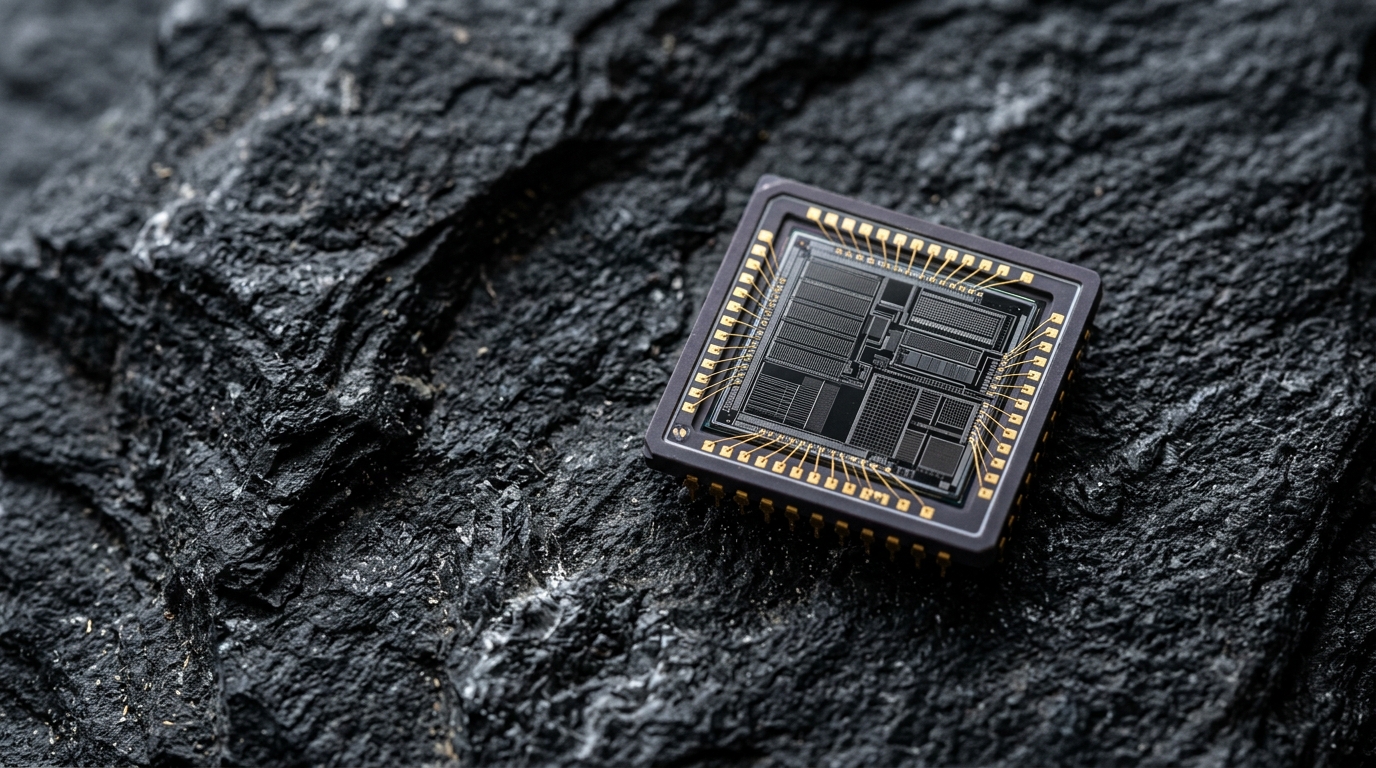

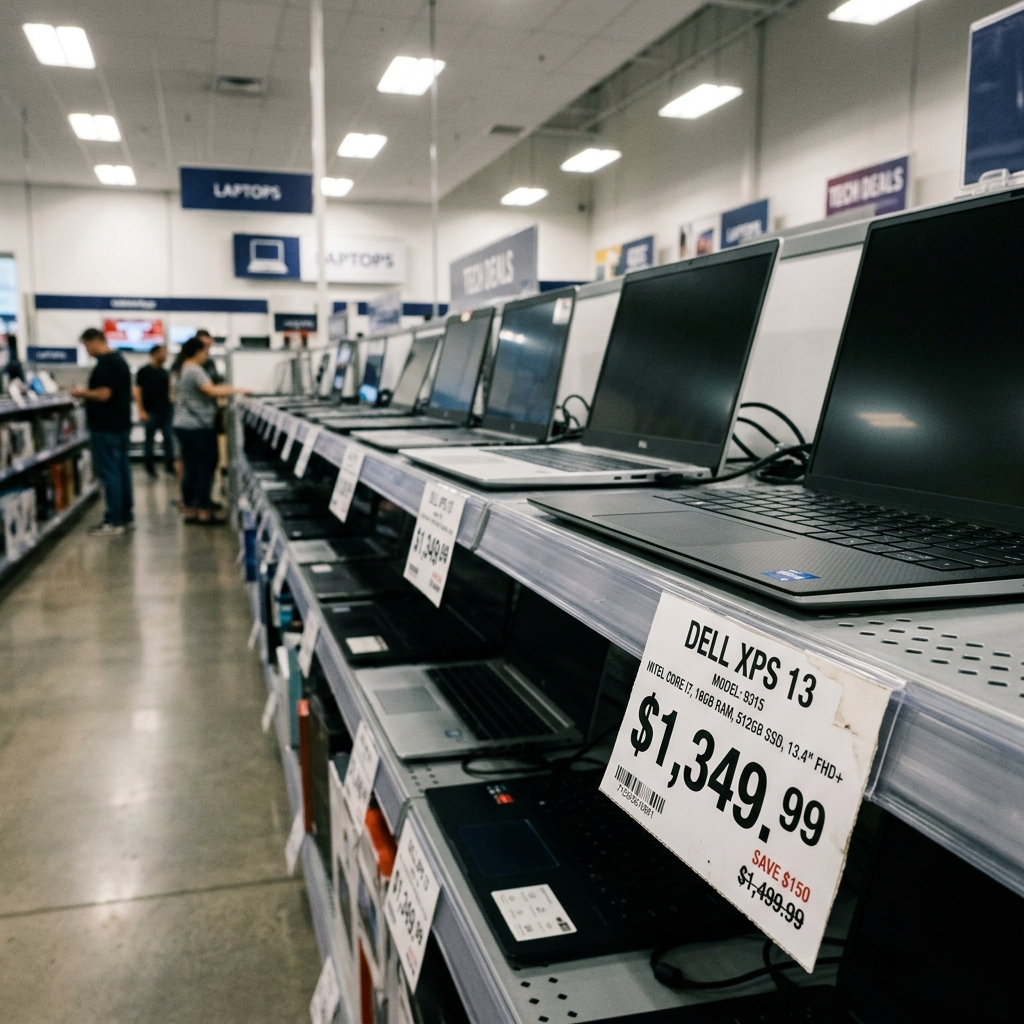
The relentless global race for artificial intelligence dominance is creating an unexpected casualty in the broader technology sector: consumer electronics. A rapidly escalating shortage of essential memory chips has begun to drive up production costs, putting unprecedented pressure on retailers of laptops, smartphones, and other everyday tech devices.
As the supply of dynamic random-access memory (DRAM) and NAND flash memory tightens, consumer-facing technology companies are bracing for a period of margin compression and potential product shortages.
The AI Effect on Semiconductor Supply Chains
The current supply-demand imbalance traces back to the surging capital expenditures of major cloud providers and enterprise tech giants. To support computationally intensive AI models, hyperscalers are aggressively procuring high-bandwidth memory (HBM) and advanced enterprise storage solutions. Semiconductor manufacturers, in response, have pivoted their fabrication capacity toward these high-margin, high-demand AI components.
This strategic pivot has inadvertently cannibalized the production lines typically dedicated to consumer-grade memory chips. Consequently, the spot prices for standard DRAM and NAND flash - critical components in personal computers and smartphones - have spiked dramatically in recent months.
Margin Squeeze for Consumer Retailers
For retailers and consumer hardware manufacturers, this dynamic presents a formidable operational challenge. Retailers operate on notoriously thin margins, particularly in the highly competitive smartphone and PC segments.
The rising cost of bill-of-materials (BOM) forces these companies into a difficult position. They must either absorb the inflated component costs - resulting in significant margin degradation - or pass the price increases onto the end consumer. In an economic environment where discretionary spending is already under scrutiny, raising the retail price of consumer electronics risks stifling demand and dampening sales velocity.
Squeezed Between Vendors and Consumers
Industry analysts note that top-tier vendors with robust supply chain leverage may mitigate some of the immediate impact through long-term procurement contracts. However, mid-tier and regional retailers, who rely heavily on spot market pricing, are fully exposed to the current volatility. Many of these firms are already reporting higher inventory carrying costs and shrinking profitability metrics.
Looming Product Shortages
Beyond pure pricing pressure, the semiconductor bottleneck threatens the physical availability of goods. If semiconductor foundries continue to prioritize AI-centric silicon, the volume of chips allocated to the consumer market will inevitably contract.
Supply chain experts warn that this could lead to notable product shortages, particularly for mid-range and budget devices where memory costs represent a larger percentage of the total manufacturing expense. Retailers may find it increasingly difficult to restock popular inventory, potentially disrupting sales cycles during critical shopping seasons.
Looking Ahead
Market participants do not anticipate immediate relief. The insatiable appetite for AI infrastructure shows no signs of decelerating, suggesting that semiconductor capacity will remain skewed toward enterprise solutions for the foreseeable future.
For investors monitoring the retail tech space, the current memory chip shortage serves as a critical variable in assessing future earnings. Retailers that can effectively manage their supply chain logistics, dynamically adjust pricing strategies, and secure adequate inventory will be best positioned to weather the storm. Meanwhile, the broader market will be watching closely to see if the AI boom ultimately prices the average consumer out of their next tech upgrade.